Evaluating the 6x9 Lined Interior Editable Template for KDP Publishing
For self-publishers and digital product creators, the efficiency of asset management often dictates profitability. The 6x9 lined interior editable template represents a specific category of production resource designed to bridge the gap between generic stock interiors and fully custom manuscript design. Unlike static PDF files that lock users into a single layout, this hybrid asset provides both a print-ready document and an editable source file. This dual-format approach addresses a common friction point in the low-content and medium-content publishing space: the need for speed without sacrificing the ability to differentiate products in a saturated marketplace.
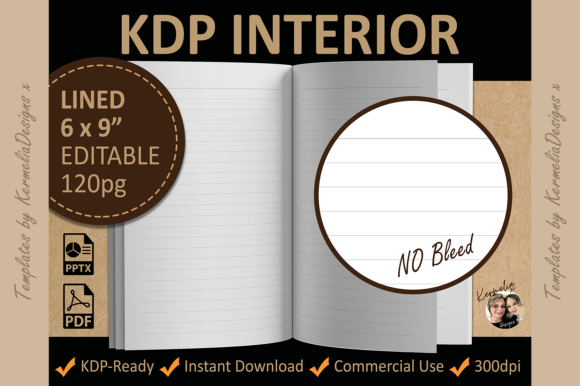
The primary value proposition of this 6x9 lined interior editable template lies in its technical compliance and structural flexibility. Measuring 6x9 inches with no bleed, it adheres to one of the most popular trim sizes for journals, notebooks, and logbooks on Amazon KDP. However, beyond basic dimensions, the template incorporates specific formatting nuances—such as adjusted gutters and margin safety zones—that preemptively solve rejection issues during the KDP automated review process. For professionals managing multiple titles or educators creating classroom resources, this reliability reduces the administrative burden of formatting corrections.
Technical Specifications and Print Readiness
When evaluating any interior manuscript for print-on-demand, technical precision is non-negotiable. This template is engineered with 120 pages, which translates to 60 physical sheets when printed double-sided. This page count is significant because it hits a sweet spot for perceived value; it offers substantial writing space without pushing the book into a higher printing cost tier associated with thicker spines or premium paper options.
The resolution is set at 300dpi, ensuring that lines appear crisp rather than pixelated or jagged upon printing. A notable design choice is the use of grey-lined pages featuring a slightly heavier top line designated for titles or dates. This subtle variation improves usability for the end reader, transforming a generic notebook into a functional tool for organization. From a production standpoint, the file has been tested against Amazon KDP quality checks, confirming that the inside gutter and outside margins align with current platform guidelines. This pre-validation is a critical time-saver, as margin errors are among the most frequent causes of upload failures for new publishers.
Strategic Layout Architecture
The internal structure of this 6x9 lined interior editable template follows a deliberate pagination logic that enhances the user experience:
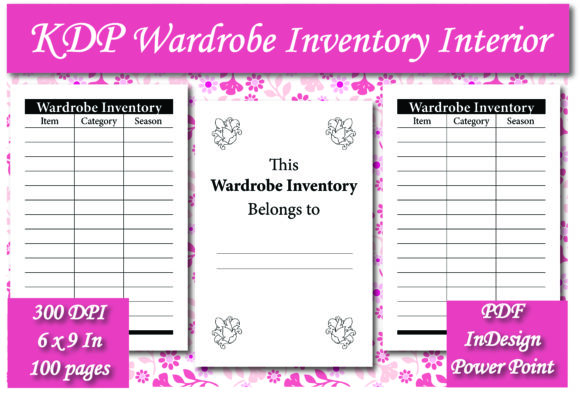
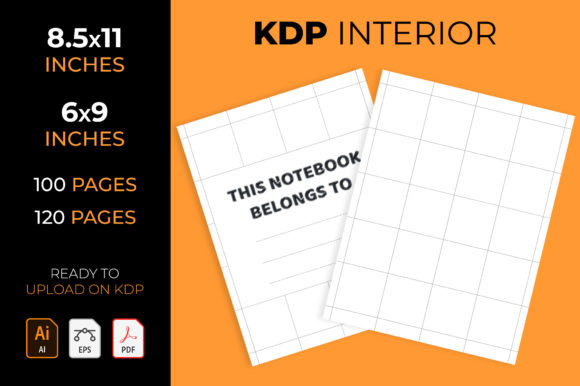
- Page 1: Features a "This book belongs to..." ownership box, establishing immediate personalization and utility.
- Page 2: Intentionally left blank to prevent ink bleed-through from the title page and to provide a clean visual transition.
- Pages 3–120: Consistent lined content starting on a right-hand page, adhering to standard bookbinding conventions.
This arrangement demonstrates an understanding of physical book mechanics. Starting lined content on page 3 ensures that the primary writing area always appears on the recto (right) side when the book is opened, which is the expected standard for trade paperbacks and journals. The inclusion of the blank buffer page protects the integrity of the ownership page, a detail often overlooked in lower-quality templates.
The Advantage of PPTX Editability
While the included PDF allows for immediate upload, the editable PPTX (PowerPoint) file is where the long-term strategic value resides. In the current KDP ecosystem, uploading unmodified generic interiors can sometimes lead to visibility issues or customer dissatisfaction due to lack of uniqueness. The PPTX component mitigates this risk by allowing users to modify the core asset without requiring advanced graphic design software like Adobe InDesign or Affinity Publisher.
The PowerPoint file is streamlined to contain four master pages: the ownership page, the blank buffer, the standard lined page, and potentially a back matter or variation page. This lightweight structure makes editing efficient. Users can adjust line spacing, add niche-specific headers, insert motivational quotes, or incorporate branding elements directly within a familiar interface. For example, a real estate agent creating client gift notebooks could easily add a logo to the footer of every page, while a teacher could modify the header to include student name fields. This capability transforms a commodity product into a specialized asset tailored to a specific audience segment.
Workflow Integration and Efficiency
For freelancers and agencies producing volume-based content, workflow integration is key. This template supports two distinct operational modes:
- Rapid Deployment: Use the PDF as-is for testing new niches or fulfilling urgent deadlines where customization is secondary to availability.
- Brand Development: Use the PPTX to create proprietary interior variations that build brand recognition and reduce direct competition with other sellers using identical stock assets.
The ability to switch between these modes allows publishers to balance speed and quality dynamically. Furthermore, because the file is formatted specifically for 6x9 no-bleed specifications, users do not need to recalculate safe zones or trim lines when making edits, provided they stay within the existing text boxes and guides.
Practical Considerations and Limitations
Despite its versatility, potential users should understand the scope of this 6x9 lined interior editable template. It is strictly an interior manuscript; cover design is entirely separate and must be created to match the 120-page spine width. Publishers accustomed to full-wrap templates may need to adjust their project planning to account for this separation.
Additionally, while PowerPoint is accessible, it is not a dedicated typesetting tool. Users making extensive modifications should export their final edited version as a high-quality PDF and verify the output before uploading. Font embedding and transparency effects can occasionally behave differently in PowerPoint exports compared to professional layout software. It is also important to note that "no bleed" means all content must remain within the safe margin zone; extending lines or graphics to the edge of the page will result in trimming errors unless the user fundamentally restructures the document setup.
Audience Fit and Application
This resource is particularly well-suited for specific user profiles within the publishing and creative ecosystem:
- KDP Entrepreneurs: Those building a portfolio of low-content books who need a reliable, compliant baseline to scale operations.
- Educators and Coaches: Professionals creating workbooks or journals for students and clients who require customized layouts without hiring a designer.
- Small Business Owners: Entities producing branded merchandise or internal documentation who benefit from the editable format for quick updates.
- Freelance Service Providers: Ghostwriters or virtual assistants tasked with assembling books for clients who need flexible, easy-to-modify source files.
Conversely, designers seeking complex typography, full-bleed artistic backgrounds, or non-standard grid systems may find the constraints of a no-bleed PPTX template limiting. This asset is optimized for functional utility and compliance rather than avant-garde book design.
Assessing Long-Term Value
In assessing whether this 6x9 lined interior editable template fits your needs, consider the cost of time versus the cost of acquisition. Creating a compliant, 120-page interior with proper gutters, title lines, and ownership pages from scratch requires several hours of setup and testing, even for experienced formatters. For those just entering the space or looking to expand their catalog, this template amortizes that setup cost instantly.
The true measure of value, however, is adaptability. Static assets depreciate as markets saturate; editable assets retain relevance because they can evolve with niche trends. By providing both the finished product and the raw materials for iteration, this template supports sustainable publishing practices. It allows creators to maintain quality standards and platform compliance while retaining the creative control necessary to build a distinctive presence in the digital product marketplace. Whether used as a standalone solution or a foundation for further customization, it serves as a practical, professional-grade component in the modern self-publishing toolkit.