Evaluating the KDP Wardrobe Inventory Interior for Low-Content Publishing
The low-content and medium-content publishing market on Amazon KDP has matured significantly, moving beyond simple lined journals to specialized utility books that solve specific organizational problems. Among these niche tools, the KDP Wardrobe Inventory Interior stands out as a functional asset designed for creators targeting the home organization and personal styling demographics. This 100-page, 6x9 inch interior is not merely a template; it is a structured system intended to help end-users catalog their clothing, track seasonal rotations, and manage personal assets. For publishers and entrepreneurs, its value lies in its dual-format delivery and practical layout, which addresses both the technical requirements of print-on-demand and the user experience expectations of modern consumers.
Functional Design and Structural Utility
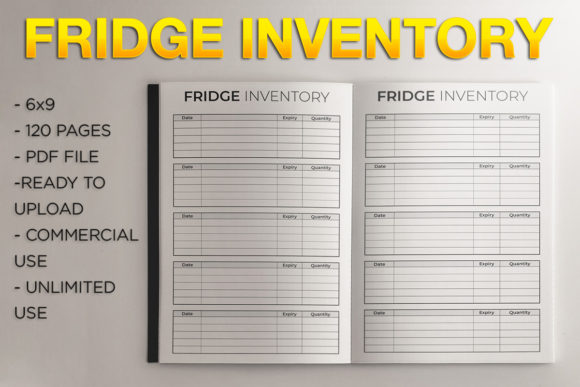
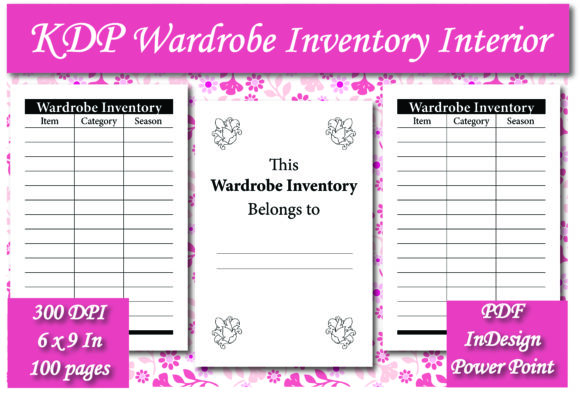
The primary strength of this wardrobe inventory interior is its adherence to a logical data entry structure. Unlike generic notebooks, this template is pre-formatted with three distinct columns: Item, Category, and Season. This triad is essential for effective wardrobe management. From a usability perspective, this structure forces the end-user to think critically about their possessions rather than simply listing them. The "Category" field encourages sorting by type (e.g., outerwear, formal, casual), while the "Season" field facilitates rotation planning, a key pain point for individuals with limited storage space or those practicing capsule wardrobe methodologies.
The 6x9 inch trim size is a deliberate choice that balances portability with writing space. In the context of wardrobe inventory, users often need to carry the book from room to room or store it on a shelf alongside other reference materials. A larger 8.5x11 format can feel cumbersome for personal tracking, while smaller sizes often lack sufficient gutter margin or line length for descriptive entries. At 100 pages, the page count provides substantial capacity without driving up printing costs excessively, allowing publishers to maintain competitive pricing margins while delivering a product that feels substantial enough to justify a purchase.
Technical Flexibility Through Source Files
A critical differentiator for professional KDP publishers is the inclusion of editable source files. This package provides both Adobe InDesign and PowerPoint presentation files alongside the ready-to-upload PDF. This flexibility is vital for long-term business sustainability. While the PDF is formatted correctly for immediate use, access to the InDesign file allows experienced designers to adjust margins, modify typography, or rebrand the cover page to match a specific series aesthetic. This capability ensures that the wardrobe inventory can be integrated into a broader catalog of home organization books without looking disjointed.
For creators who do not possess advanced design skills or an Adobe Creative Cloud subscription, the inclusion of a PowerPoint file serves as an accessible middle ground. PowerPoint is widely available and familiar to most entrepreneurs and educators. It allows for basic modifications—such as adding a logo, changing the title font, or adjusting header text—without the steep learning curve associated with professional layout software. This tiered approach to file delivery broadens the potential user base of the asset itself, making it viable for both seasoned self-publishers and newcomers testing the niche.
Audience Alignment and Market Fit
Understanding who actually buys and uses a wardrobe inventory book is essential for effective marketing and keyword selection. This interior appeals to several distinct segments within the 20–50 age demographic. Professionals and entrepreneurs often utilize these inventories for insurance documentation, creating a tangible record of assets for claims purposes. Minimalists and followers of sustainable fashion trends use them to visualize ownership and prevent redundant purchasing. Additionally, stylists and image consultants may purchase these books as client tools to facilitate wardrobe audits.
From a publisher’s perspective, this versatility supports diverse marketing angles. The same interior can be positioned as a financial record-keeping tool, a lifestyle organization aid, or a professional consulting resource. However, success depends on aligning the external cover design and metadata with the specific sub-niche being targeted. The neutral, functional nature of the interior supports this pivoting strategy effectively, as it lacks overly specific branding that might alienate certain user groups.
Quality Assessment and Production Considerations
When evaluating any KDP interior, print quality and user experience are paramount. The 6x9 format requires careful attention to gutter margins, especially in a 100-page book where inner binding can encroach on writable space. This template appears designed with standard KDP safety margins in mind, but publishers should always order a physical proof before launching. Ink density is another consideration; heavy graphics or dark backgrounds can cause bleed-through on standard 55# cream or white paper. This interior utilizes clean lines and adequate whitespace, which minimizes ink saturation issues and ensures a crisp appearance regardless of paper choice.
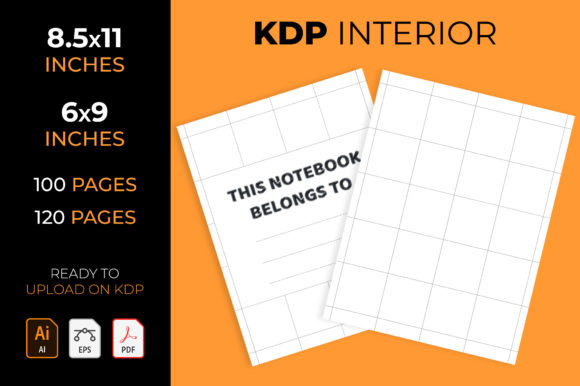
The "This Wardrobe Inventory Belongs To" ownership page is a small but significant inclusion. It adds a layer of perceived value and professionalism, transforming the book from a stack of paper into a personalized artifact. For gift-givers or professionals distributing these to clients, this front matter establishes immediate legitimacy. Publishers should ensure this page remains intact during any customization process, as it anchors the user experience.
Practical Limitations and Strategic Recommendations
While the KDP Wardrobe Inventory Interior is a robust foundation, it is not without limitations. The fixed column structure (Item, Category, Season) is excellent for general cataloging but may not suffice for users requiring detailed tracking of brand, purchase date, cost, or condition. Publishers targeting high-end luxury markets or insurance-specific niches may need to utilize the InDesign files to add additional columns or supplementary tracking pages. Recognizing this gap presents an opportunity for differentiation; creating a "Deluxe" version with expanded fields could capture a segment of the market that finds the standard version too basic.
Furthermore, the digital nature of wardrobe management is a competing force. Many users now rely on apps for closet organization. To compete, the physical book must offer tactile advantages that apps cannot. Publishers should emphasize the cognitive benefits of handwriting, the reliability of offline access, and the satisfaction of a curated physical record in their product descriptions. Positioning the book as a complementary tool to digital systems, rather than just a replacement, can also broaden appeal.
Integration Into a Broader Publishing Strategy
For freelancers, bloggers, and small business owners in the home organization space, this interior serves as more than a standalone product. It functions as a lead magnet, a bonus resource, or a component of a bundled offering. Educators teaching home economics or life skills may find it a practical textbook supplement. Marketers can use the customizable PowerPoint version to create branded versions for corporate wellness programs or stylist portfolios.
Ultimately, the value of the KDP Wardrobe Inventory Interior lies in its balance of specificity and adaptability. It solves a genuine problem with a clean, functional layout while providing the technical assets necessary for professional customization. Success with this resource requires more than uploading the PDF; it demands thoughtful positioning, quality verification through proofing, and potentially iterative refinement based on audience feedback. For publishers willing to treat it as a foundational asset rather than a quick flip, it offers a reliable entry point into the evergreen home organization category. The combination of ready-to-print convenience and editable source files makes it a pragmatic choice for serious creators looking to expand their low-content portfolio with purpose-driven utility books.