Evaluating Credit Card Tracker Template Options: Formats, Sizes, and KDP Readiness
Managing multiple lines of credit requires more than just checking a monthly statement; it demands a systematic approach to monitoring balances, interest rates, payment due dates, and utilization ratios. A dedicated Credit Card Tracker Template serves as a centralized analog or digital tool designed specifically for this purpose. Unlike generic budget planners that lump debt into a single category, these specialized templates provide granular visibility into individual account performance. When selecting the right resource, users must navigate various physical dimensions—including Letter, Half Letter, A4, A5, and 6×9 formats—and determine whether a standalone printable sheet or a comprehensive 110-page KDP-ready manuscript best suits their financial management style.
Distinguishing Specialized Trackers from General Budgeting Tools
Before committing to a specific template format, it is necessary to understand how a Credit Card Tracker Template differs from standard expense trackers or debt snowball worksheets. General budget tools typically focus on cash flow: income versus expenses. While useful for preventing new debt, they often lack the fields required to manage existing revolving credit effectively.
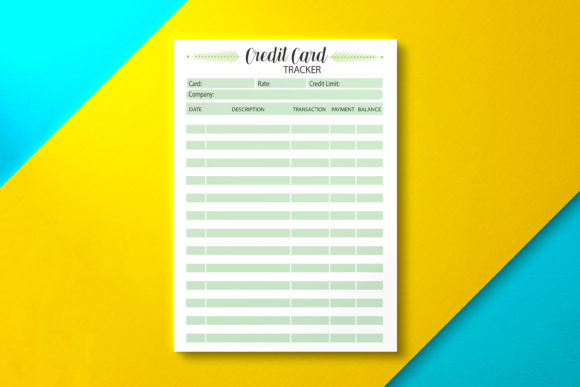
A specialized tracker includes distinct data points such as:
- Annual Percentage Rate (APR): Tracking both purchase and balance transfer rates to prioritize high-interest payoff strategies.
- Credit Limit and Utilization: Monitoring the ratio of balance to limit, which directly impacts credit scores.
- Minimum Payment vs. Target Payoff: Separating mandatory obligations from strategic acceleration payments.
- Reward Structures: Noting cash back percentages or point values to optimize spending without increasing debt.
- Statement Closing Dates: Distinguishing between when charges are tallied and when payment is actually due.
This level of detail makes the Credit Card Tracker Template distinct from a simple ledger. It transforms raw data into actionable intelligence, allowing users to visualize progress toward zero balances or optimal utilization thresholds. For individuals managing three or more cards, or those executing specific payoff strategies like the Avalanche or Snowball method, this specialization is not merely convenient but functionally necessary.
Comparing Physical Dimensions: Choosing the Right Size
The utility of a paper-based tracking system depends heavily on its physical footprint. The available sizes—Letter, Half Letter, A4, A5, and 6×9 inches—each serve different user behaviors and storage environments. Selecting the wrong size can lead to abandonment of the tracking habit due to friction in daily use.
Standard Full-Page Formats (Letter and A4)
Letter size (8.5 × 11 inches) and A4 (210 × 297 mm) represent the traditional standard for home office organization. These formats offer maximum horizontal space, making them ideal for users who need to track numerous data columns simultaneously or who prefer writing with larger handwriting.
Best Fit: Users who keep their financial records in a standard filing cabinet or three-ring binder. This size is also superior for those who print at home using standard consumer printers, as no scaling or trimming is required. If you are tracking more than five credit cards on a single page or require extensive notes sections for dispute logs and customer service call records, the full-page Credit Card Tracker Template provides the necessary real estate.
Tradeoffs: Portability is limited. These pages do not fit easily into bags for on-the-go updates, and they can feel cumbersome if you only have two or three accounts to monitor. The abundance of white space may also feel discouraging for minimalists.
Compact and Portable Formats (Half Letter, A5, and 6×9)
Smaller formats cater to users who integrate financial tracking into mobile routines or prefer compact planning systems. Half Letter (5.5 × 8.5 inches) and A5 (148 × 210 mm) are popular in the planner community because they fit into personal-sized binders. The 6×9 inch format occupies a middle ground, offering significantly more writing space than A5 while remaining highly portable.
Best Fit: Individuals who carry their tracker in a purse, backpack, or briefcase. The 6×9 size, in particular, is versatile enough to serve as a standalone notebook without feeling too small for detailed financial entries. These sizes are also compatible with disc-bound systems and modular planners, allowing the Credit Card Tracker Template to coexist alongside calendars and daily to-do lists.
Tradeoffs: Column width becomes a constraint. Users with large handwriting or those needing to track complex reward tiers may find the compressed layout frustrating. Printing these sizes at home often requires cutting Letter paper or adjusting printer settings, adding a preparation step that full-size formats avoid.
Single-Page Printables Versus Comprehensive 110-Page Manuscripts
Beyond physical dimensions, buyers must choose between purchasing individual 1-page templates and acquiring a complete 110-page book file ready for KDP upload. This decision hinges on volume of use, customization needs, and intended application.
The Flexibility of 1-Page Templates
Individual PDF files for each size allow for maximum adaptability. You can print exactly what you need, when you need it. If your credit card portfolio changes—you close an old account or open a new one—you simply print a fresh sheet rather than wasting pre-printed pages.
This approach supports hybrid systems where digital and analog tools overlap. A user might maintain a master spreadsheet but print a single-page Credit Card Tracker Template to keep in their wallet during a debt-free challenge month. It is also the cost-effective choice for testing whether analog tracking works before investing in a bound volume. However, it places the burden of assembly on the user. You must source your own binder, hole punch, or clipboard, and consistency relies entirely on self-discipline to reprint and replace sheets.
The Structure of 110-Page KDP-Ready Books
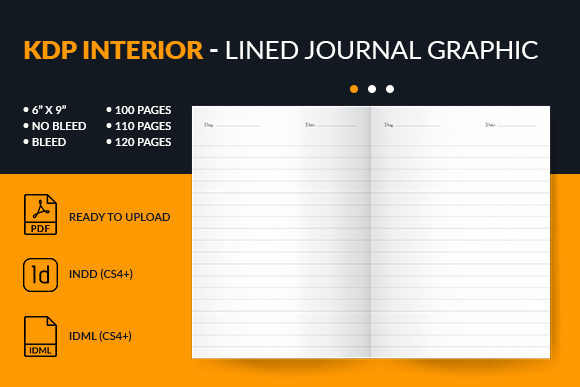
A 110-page manuscript represents a significant commitment to long-term tracking. These files are formatted specifically for Amazon’s Kindle Direct Publishing platform, meaning they include proper margins, bleed settings, and interior layouts optimized for professional printing. For end-users purchasing the resulting paperback, this offers a turnkey solution: a durable, bound book that requires no assembly.
Strengths: The psychological weight of a bound book can reinforce habit formation. Having 110 pages dedicated solely to credit tracking signals a serious, long-term project. This format is particularly valuable for those recovering from significant debt who need months or years of consistent documentation. It also eliminates the recurring cost of ink and paper associated with printables.
Limitations: Rigidity is the primary drawback. If the template layout does not perfectly match your needs after page ten, you are stuck with it. Additionally, 110 pages may be excessive for someone managing only one or two cards; half the book could remain blank, creating a sense of wasted resources. For creators intending to publish, the KDP-ready file saves formatting time but requires careful review to ensure compliance with current platform specifications regarding gutters and safe zones.
Evaluating Analog Tracking Against Digital Alternatives
While templates provide structure, potential users should weigh them against digital alternatives to ensure the chosen method aligns with their cognitive processing style. Apps and spreadsheets offer automation, real-time syncing, and calculation features that paper cannot replicate. So why choose a Credit Card Tracker Template?
Analog tracking excels in mindfulness and retention. Writing down a balance creates a stronger memory trace than typing it, potentially reducing impulsive spending. Paper templates also eliminate screen fatigue and notification distractions that often derail financial review sessions. For users who find themselves opening a budgeting app only to get sidetracked by social media, a physical template removes the temptation entirely.
However, paper has clear limitations. It cannot calculate totals automatically, warn you of approaching due dates, or sync with bank feeds. Errors in transcription go uncorrected unless manually audited. Therefore, the Credit Card Tracker Template is rarely a complete replacement for digital banking but rather a complementary strategic layer. Many successful users employ apps for transaction capture and bill pay, while reserving the paper template for weekly strategy sessions, payoff visualization, and behavioral reflection.
Making the Final Selection Based on User Profile
There is no universally superior option; there is only the option that best fits your current financial lifecycle stage and organizational preferences. Consider the following decision matrix when evaluating products:
- For Active Debt Elimination: Prioritize portability and frequency. A Half Letter or A5 printable allows daily check-ins. The tactile act of updating balances keeps motivation high during intensive payoff sprints.
- For Long-Term Maintenance: Consider the 110-page 6×9 book. Once debts are cleared, tracking shifts from crisis management to optimization. A bound volume provides archival quality and reduces ongoing maintenance effort.
- For Complex Portfolios: Choose Letter or A4 formats. Business owners or those managing household finances across many accounts need the column width and row count that only full-size pages provide.
- For KDP Publishers: Verify that the 110-page file meets current trim size and margin requirements. Ensure the interior design includes adequate gutter space so writing near the spine remains comfortable. Test print a proof copy before listing to validate usability.
- For Beginners: Start with a single 1-page template in your preferred size. Validate that the fields match your actual credit card statements before investing in bulk prints or bound books. Adaptation is cheaper than regret.
Ultimately, the effectiveness of any Credit Card Tracker Template depends less on its specifications and more on its integration into your financial routine. Whether you select a compact A5 insert for your planner or a comprehensive KDP-published journal, the goal remains consistent: transforming abstract numbers into tangible progress through deliberate, documented attention.