KDP Interior Refrigerant Tracking Log: A Practical Guide for Compliance and Low-Content Publishing
In the specialized world of HVAC maintenance and environmental compliance, documentation is not merely a bureaucratic hurdle; it is the backbone of operational integrity. For professionals managing cooling systems, accurate record-keeping regarding refrigerant usage, recovery, and recycling is mandated by federal regulations. Simultaneously, for entrepreneurs in the self-publishing space, creating tools that serve this niche requires precision and adherence to platform standards. The KDP Interior Refrigerant Tracking Log bridges these two worlds, offering a pre-formatted solution that satisfies technical requirements for technicians while providing a streamlined asset for low-content book creators.
Understanding the dual utility of this template is essential. It is designed as a functional tool for end-users who need to maintain EPA-compliant records, but it is also engineered specifically for Amazon KDP publishers. This article explores the practical applications, structural features, and strategic considerations of using this logbook template, ensuring that both the creator and the eventual user derive maximum value from the product.
The Critical Role of Refrigerant Documentation
To appreciate the design of a dedicated tracking log, one must first understand the regulatory landscape. Under Section 608 of the Clean Air Act, technicians who maintain, service, repair, or dispose of equipment that could release refrigerants into the atmosphere must be certified and must maintain specific records. These records typically include the date of service, the type of refrigerant recovered or added, the quantity involved, and the identity of the technician performing the work.
A generic notebook often fails to capture this structured data efficiently. When a technician is in the field, fumbling with unlined paper or a poorly designed ledger increases the risk of omitting critical information. The KDP Interior Refrigerant Tracking Log addresses this by providing dedicated columns and prompts that align with industry standards. This structure reduces cognitive load during data entry and ensures that if an audit occurs, the necessary information is immediately accessible and legible.
Key Data Points Captured
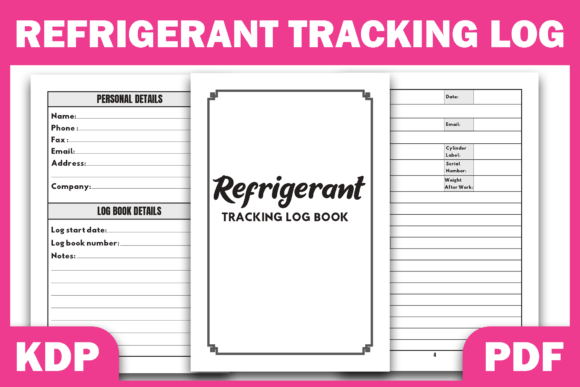
An effective interior layout for this niche must prioritize clarity over aesthetics. While the cover attracts the buyer, the interior retains them. Standard fields integrated into this 110-page template typically encompass:
- Date and Time of Service: Essential for establishing a chronological chain of custody for refrigerants.
- Equipment Identification: Space for serial numbers, model types, and physical location of the unit.
- Refrigerant Type and Quantity: Specific columns for R-410A, R-22, R-134a, etc., including amounts recovered, recycled, or charged.
- Technician Certification Number: A mandatory field for verifying that the individual handling the substance is legally authorized to do so.
- Customer or Site Details: Linking the technical action to a specific client invoice or job site.
Technical Specifications for KDP Success
For the publisher, the value of this template lies in its technical readiness. Amazon’s print-on-demand infrastructure has strict margin and bleed requirements. A common failure point for new low-content creators is uploading files that are rejected due to gutter issues or incorrect trim sizes. This specific KDP Interior Refrigerant Tracking Log is formatted at 6x9 inches, which is the industry standard for portable field logs. This size offers enough horizontal space for tabular data while remaining compact enough to fit in a service van’s glove compartment or a technician’s cargo pocket.
The package includes a PDF that has been fully tested on the Amazon KDP platform. This testing phase is crucial. It verifies that the margins accommodate the binding process without encroaching on writable areas. With 110 pages, the book strikes a balance between longevity and portability. A thinner book might require frequent replacement, disrupting record continuity, while a thicker volume becomes cumbersome for daily carry. Furthermore, the inclusion of a personal details page at the front adds a layer of professionalism and ownership, allowing the user to identify the logbook if lost and providing a centralized place for emergency contact information or company credentials.
Bonus Assets and Customization
Beyond the interior PDF, the provision of bonus JPG files serves a strategic purpose for the seller. In the low-content market, differentiation is key. While the interior provides the function, the cover provides the click. Having high-quality JPG assets allows creators to design custom covers that target specific sub-niches—such as "Commercial HVAC," "Residential AC Repair," or "Automotive Refrigerant Tracking"—without needing to recreate the complex interior formatting. This modularity accelerates the time-to-market and allows for portfolio expansion based on seasonal demand or emerging regulatory changes.
Evaluating Suitability for Your Business
While this template is versatile, it is not a universal solution for every low-content venture. Publishers should evaluate whether this specific log aligns with their audience's needs. The primary consideration is the specificity of the niche. General maintenance logs are saturated; however, compliance-specific logs like refrigerant tracking rely on accuracy and trust. If you are entering this space, your marketing and metadata must reflect an understanding of the technical requirements. Mislabeling a refrigerant log as a general "repair diary" will result in poor conversion rates because professional buyers search for exact terminology.
Additionally, consider the competitive landscape. Because this is a ready-made template, other sellers may utilize similar interiors. Your value proposition must come from your cover design, your keyword strategy, and your description copy. Highlighting features such as "EPA 608 Compliant Layout" or "Large Print Field Log" can distinguish your listing. The fact that the interior is pre-tested saves you hours of formatting troubleshooting, allowing you to focus resources on market research and advertising.
Practical Applications and User Scenarios
Understanding who actually uses this book helps in crafting better product descriptions and selecting relevant keywords. The KDP Interior Refrigerant Tracking Log serves several distinct user groups:
- Independent HVAC Contractors: Solo operators who cannot afford expensive digital fleet management software often prefer physical logs for their simplicity and reliability. They need a durable, no-frills book that survives job sites.
- Facility Maintenance Teams: Large buildings, hospitals, and schools have in-house maintenance staff who must track refrigerant across dozens of units. A dedicated log per building or per technician helps organize this decentralized data.
- Vocational Students and Apprentices: Trainees learning the trade use these logs to practice proper documentation habits before entering the workforce. Educational institutions sometimes recommend specific formats for student kits.
- Audit Preparation: Companies facing upcoming environmental audits may purchase fresh logbooks to ensure current records are immaculate, separate from older, messier notes.
Limitations and Considerations
It is important to manage expectations regarding what a physical logbook can achieve. While excellent for primary field recording, a paper log does not automatically integrate with digital invoicing systems or government reporting portals. Users must still transcribe this data eventually. Therefore, this product should be positioned as a field capture tool rather than a complete compliance software replacement. Transparency about this limitation builds trust with professional buyers who understand the workflow.
Furthermore, regulations change. The phase-out of certain hydrofluorocarbons (HFCs) and the introduction of new alternatives mean that column headers may need periodic review. As a publisher using a static PDF template, you should stay informed about major regulatory shifts. If the EPA introduces a new mandatory reporting field, updating your interior file and re-uploading ensures your product remains relevant. Stagnant products in compliance niches eventually lose sales to updated competitors.
Best Practices for Implementation
When utilizing this template for your KDP business, treat the "Personal Details Page" as a prime real estate opportunity. Encourage users to fill this out immediately upon receipt. In your book description, mention that this page exists; it signals attention to detail. When designing your cover, ensure the title clearly states "Refrigerant Tracking Log" rather than vague terms. Use subtitles to specify the page count and dimensions, as buyers in this category are pragmatic and look for specifications before style.
Finally, leverage the bonus JPG files to create A+ Content or social media mockups. Showing the interior spreads in your marketing materials reduces return rates because customers know exactly what they are buying. Since the interior is standardized, your ability to visually demonstrate the usability of the columns and rows becomes your primary sales mechanism. By combining a technically sound, pre-tested interior with targeted marketing and a clear understanding of the end-user’s compliance needs, the KDP Interior Refrigerant Tracking Log becomes more than just a blank book; it becomes a vital business tool for technicians and a sustainable asset for publishers.