Work Schedule Planner - KDP Interior: A Comprehensive Guide to Ready-to-Publish Productivity Tools
In the rapidly expanding world of self-publishing, low-content and medium-content books have become a staple for creators looking to provide tangible value to niche audiences. Among these, the Work Schedule Planner - KDP Interior stands out as a highly functional resource designed specifically for Amazon’s print-on-demand ecosystem. Unlike generic journals, this specific interior is engineered with precise technical specifications and user-centric features that address the growing demand for organizational tools. For publishers, entrepreneurs, and designers, understanding the utility and structure of this pre-formatted template is essential for creating products that resonate with professionals seeking better time management.
The Anatomy of a Professional Planning Interior
When evaluating a digital asset for publishing, technical compliance is just as important as aesthetic appeal. The Work Schedule Planner - KDP Interior is built upon a foundation of industry-standard specifications that ensure a seamless transition from digital file to physical book. Understanding these parameters helps publishers avoid common rejection errors and ensures the final product feels premium in the hands of the consumer.
Dimensions and Page Count Strategy
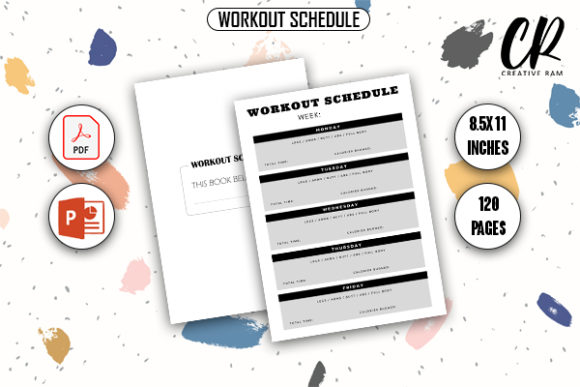
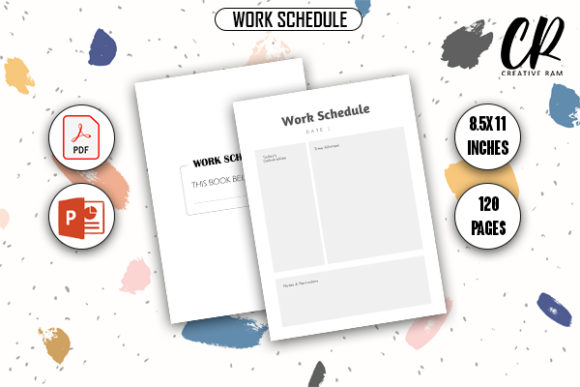
This interior utilizes the standard 8.5″ x 11″ dimension, which is widely regarded as the optimal size for productivity planners. This letter-sized format provides ample horizontal space for hourly breakdowns, task lists, and notes without feeling cramped. Smaller trim sizes often sacrifice usability in favor of portability, but for a dedicated work schedule, the larger canvas allows for comprehensive daily or weekly tracking.
The volume consists of 120 pages, a strategic count that balances perceived value with printing costs. At this page count, the planner can serve as a quarterly system (covering approximately three months with introductory and review sections) or a condensed annual overview. This thickness creates a substantial spine, allowing for legible text on the bookshelf, while keeping production costs low enough to maintain healthy royalty margins.
Bleed Configuration and Print Safety
A critical feature of this interior is the inclusion of bleed settings. In professional printing, "bleed" refers to artwork or background elements that extend beyond the trim edge of the page. The Work Schedule Planner - KDP Interior comes configured with bleed, ensuring that any decorative borders, header backgrounds, or marginal graphics print seamlessly to the edge of the paper without leaving unsightly white borders. This specification is vital for maintaining a professional appearance, as non-bleed interiors often look amateurish when graphic elements are intended to touch the page edge. Publishers must ensure their cover files match this bleed setting during the upload process to prevent alignment issues.
Dual Format Versatility: PDF and PPTX
One of the most significant advantages of this specific digital asset is the provision of both high-quality print-ready PDF files and editable PPTX source files. This dual-format approach addresses two distinct needs in the publishing workflow.
- Print-Ready PDF: This file is the final output intended for direct upload to Amazon KDP. It has been flattened and optimized to ensure that fonts render correctly and lines remain crisp at 300 DPI. Using this file eliminates the risk of formatting shifts that can occur when uploading editable documents directly to print platforms.
- PPTX Source Files: PowerPoint may seem like an unconventional choice for book layout, but it is exceptionally powerful for low-content creators. Unlike Adobe InDesign, which requires a steep learning curve and expensive subscription, PowerPoint is accessible to most users. The source files allow publishers to modify headers, add branding, change date ranges, or customize prompts without needing advanced design software. This accessibility democratizes the ability to create unique variations of the Work Schedule Planner - KDP Interior.
Practical Applications and Target Audiences
The versatility of a structured work schedule planner extends far beyond simple calendar tracking. By analyzing current market trends and professional pain points, we can identify several key demographics that benefit from this specific interior layout.
Remote Workers and Freelancers
The shift toward remote work has blurred the boundaries between personal and professional time. Freelancers and remote employees often struggle with unstructured days. This planner provides the external scaffolding needed to segment work blocks, track billable hours, and enforce breaks. The 8.5″ x 11″ size accommodates detailed project tracking that smaller notebooks cannot support, making it ideal for desk-based workers who need a central command center for their day.
Small Business Owners and Shift Managers
For entrepreneurs managing small teams, this interior serves as both a personal organizer and a prototype for employee scheduling tools. Business owners can use the customizable PPTX files to rebrand the planner with company logos and specific operational metrics, turning a generic KDP interior into proprietary company stationery. This application transforms the product from a simple retail item into a B2B solution.
Students and Academic Professionals
While marketed as a "work" schedule, the structure is equally applicable to academic rigor. Graduate students, researchers, and adjunct professors often require more detailed planning than standard student planners offer. The spacious layout allows for integrating class schedules, research milestones, and teaching preparation into a single cohesive view.
Evaluating Suitability for Your Publishing Portfolio
Before integrating the Work Schedule Planner - KDP Interior into your catalog, it is important to assess whether it aligns with your brand and audience expectations. Not every planner suits every niche, and success depends on matching the tool to the user's specific workflow.
Strengths of Pre-Formatted Interiors
The primary strength lies in efficiency. Creating a 120-page planner from scratch involves dozens of hours of layout design, margin calculation, and consistency checking. This pre-made interior eliminates that friction, allowing publishers to focus on keyword research, cover design, and marketing. Furthermore, the inclusion of source files mitigates the risk of duplicate content penalties on Amazon; by customizing even 10% of the interior (such as adding unique motivational quotes or specific niche-related checklists), you create a differentiated product.
Considerations and Limitations
Publishers should be aware that pre-made interiors are non-exclusive unless stated otherwise. This means other sellers may have access to the same base layout. To succeed, one must add unique value through customization or superior cover design. Additionally, users should verify that the undated nature of the planner fits their target market. Undated planners offer longevity and reduced waste, but some consumers prefer dated versions for immediate use. The PPTX files allow for dating the pages, but this adds significant manual labor.
Another consideration is the learning curve associated with editing master slides in PowerPoint. While easier than professional typesetting software, users unfamiliar with slide masters may accidentally disrupt the alignment of recurring elements. It is advisable to test print a few pages before committing to a full publication run to ensure that customizations have not shifted margins outside the safe zone.
Best Practices for Implementation
To maximize the effectiveness of this interior, consider the following implementation strategies derived from successful low-content publishing experiences:
- Niche Down Specifically: Instead of listing a generic "Work Schedule Planner," tailor the metadata and cover to specific professions. A "Nurse Shift Work Schedule Planner" or "Real Estate Agent Daily Organizer" utilizing the same interior will often outperform a broad title because it speaks directly to the user's identity.
- Leverage the Source Files for Value Adds: Use the PPTX capability to insert niche-specific reference pages. For example, if targeting teachers, add grading rubrics or curriculum planning templates at the back of the book. These additions increase the perceived value without requiring a redesign of the core scheduling pages.
- Verify Bleed Settings During Upload: Always select "Bleed" in the KDP dashboard when uploading this specific PDF. Failing to do so will result in the platform shrinking your content to fit a no-bleed safe zone, potentially cutting off headers or making margins uneven.
- Create a Look Inside Experience: Since customers cannot physically flip through the book, ensure your A+ Content or description clearly shows the interior layout. Highlight the spaciousness of the 8.5″ x 11″ format and the clarity of the scheduling grids to reassure buyers of the product's utility.
Final Thoughts on Digital Planning Assets
The Work Schedule Planner - KDP Interior represents a convergence of technical precision and practical utility. By providing a compliant, high-quality foundation in both PDF and PPTX formats, it empowers creators to build meaningful products for a productivity-hungry market. Whether used as a standalone retail product or customized for a specific professional niche, its 120-page, bleed-enabled structure offers a reliable starting point for self-publishing success. However, the true value emerges not from the file itself, but from how the publisher adapts it to solve real-world organizational problems for their specific audience. Success in this space requires viewing the interior not as a finished product, but as a flexible framework waiting for your unique creative and strategic input.