Maximizing KDP Success with a Versatile 2021 Planner Interior
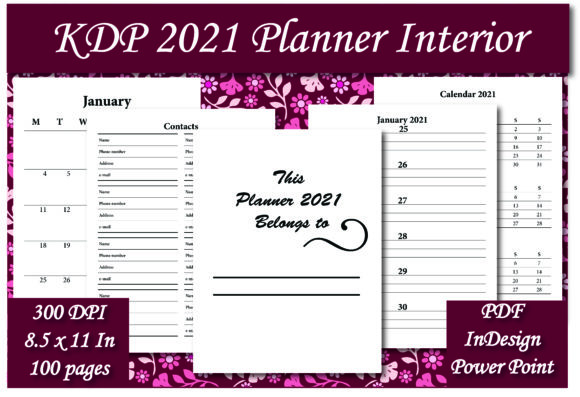
Creating a successful low-content book on Amazon requires more than just uploading a generic PDF; it demands a product that balances professional design standards with genuine user utility. For publishers targeting the organizational niche, the KDP 2021 Planner Interior serves as a foundational asset that streamlines the production process while maintaining high quality. This specific 100-page template is engineered to meet the precise technical requirements of Kindle Direct Publishing, eliminating the guesswork often associated with margin settings, bleed areas, and gutter safety zones. By utilizing a pre-formatted interior sized at 8.5 x 11 inches, creators can focus their energy on cover design and marketing strategies rather than wrestling with complex layout software.
The true value of this resource lies in its dual-format accessibility. Unlike rigid templates that lock users into a single workflow, this pack includes both an Adobe InDesign file and a Microsoft PowerPoint version. This flexibility acknowledges that not every self-publisher has access to professional design suites. The PowerPoint option democratizes the customization process, allowing users to modify text, adjust layouts, or rebrand elements using familiar office software. Meanwhile, the InDesign file caters to experienced designers who require granular control over typography and vector elements. Regardless of the chosen editing path, the included print-ready PDF ensures that a pristine, uploadable file is always available for those who prefer to publish immediately without alterations.
Strategic Page Allocation and User Experience
A common pitfall in planner publishing is creating a book that feels either too sparse or overwhelmingly dense. This 100-page structure hits a strategic sweet spot for annual planners. It provides enough volume to feel substantial and valuable to the buyer without driving up printing costs to a point where profit margins evaporate. The page count is carefully distributed across essential functional sections, ensuring that no space is wasted on filler content that adds little practical value to the end user.
The 8.5 x 11 inch trim size is particularly significant for this type of interior. While smaller formats like 6x9 are popular for journals, planners benefit from the larger canvas of letter-size paper. This dimension allows for wider writing spaces in daily logs, clearer calendar grids, and ample room for contact directories. From a user experience perspective, the larger format reduces handwriting cramping and improves readability, which directly correlates to higher customer satisfaction and better reviews. When designing for KDP, matching the interior complexity to the physical dimensions is crucial, and this template optimizes that relationship effectively.
Essential Functional Components Breakdown
Buyers in the planner category have specific expectations regarding content hierarchy. They are looking for a logical flow that transitions from macro-level planning to micro-level daily execution. This interior addresses those needs through a structured sequence of functional pages:
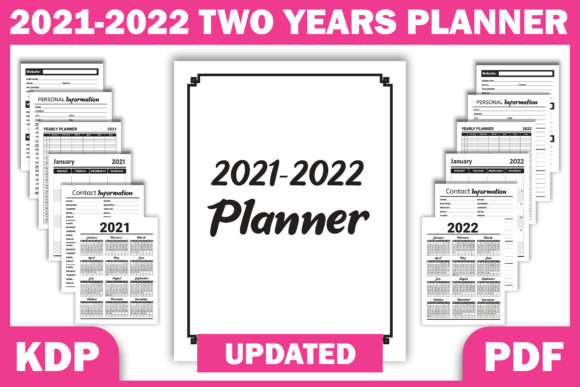
- Ownership and Personalization: The "This Planner 2021 Belongs To" page serves as more than a formality; it establishes immediate psychological ownership and makes the product giftable.
- Annual Overview: A dedicated 2021 Calendar spread allows users to visualize holidays, quarters, and major events at a glance before diving into monthly specifics.
- Contact Management: Despite the digital age, physical address books remain a staple in planners. The dedicated contacts section with fields for Name, Phone Number, Address, and E-mail provides a reliable offline backup for critical information.
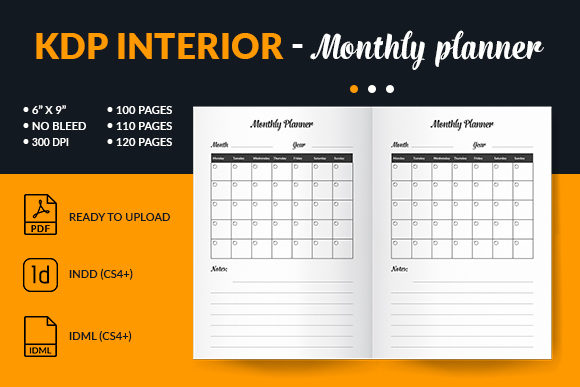
- Monthly Planning Spreads: These pages offer the bird's-eye view necessary for appointment scheduling and deadline tracking, serving as the bridge between the annual calendar and daily tasks.
- Daily Planner Pages: As the core workhorse of the book, these pages provide structured space for hourly scheduling, task lists, and prioritization.
- Birthday Reminders: This specialized section adds long-term utility, encouraging users to keep the planner relevant throughout the entire year rather than abandoning it after a few months.
- Notes Sections: Unstructured space is vital for brainstorming, meeting minutes, or journaling, adding versatility to the strictly organized sections.
Customization Workflows for Brand Differentiation
In a saturated marketplace, selling an unmodified template can lead to duplicate content issues or lackluster sales performance. The inclusion of editable source files transforms this KDP 2021 Planner Interior from a static product into a dynamic branding tool. Publishers should leverage the editing capabilities to create unique variations that target specific sub-niches. For example, changing the header fonts and adding motivational quotes can pivot the product toward a mindfulness audience, while adjusting the daily layout to include project tracking columns could appeal to business professionals.
When working with the PowerPoint file, users can easily swap out placeholder graphics, adjust color schemes to match their cover art, or modify the language to suit different demographics. This level of customization is essential for building a recognizable series or brand identity on Amazon. Even minor tweaks, such as altering the line spacing in the notes section or adding a custom logo to the ownership page, signal to the algorithm and customers that this is a distinct product. The ability to make these changes without hiring a freelance designer significantly lowers the barrier to entry for creating professional-grade planner interiors.
Technical Considerations for Print Readiness
One of the most frequent reasons for KDP rejection or poor customer feedback involves technical formatting errors. Margins that are too narrow result in text being swallowed by the binding, while incorrect bleed settings can cause white borders to appear unevenly. This interior pack mitigates these risks by providing a pre-validated PDF ready for upload. However, for those who choose to edit the source files, maintaining technical integrity is paramount.
When modifying the InDesign or PowerPoint files, creators must ensure they do not encroach upon the safe zone. The 8.5 x 11 inch size typically requires a minimum inner margin (gutter) of at least 0.375 inches for a 100-page book, though 0.5 inches is often safer for usability. Outer margins should generally remain above 0.25 inches to prevent trimming issues. Because the original template is already set up correctly, any additions or deletions should be checked against these parameters before exporting. Utilizing the master pages in InDesign or the slide master in PowerPoint helps maintain consistency across all 100 pages, ensuring that headers, footers, and grid lines remain perfectly aligned throughout the document.
Aligning Product Features with Market Demand
Understanding why certain planner features sell is just as important as the technical execution. The combination of monthly and daily views in this interior caters to the hybrid planning style preferred by many modern consumers. Purely monthly planners often lack detail, while purely daily planners can become unwieldy and expensive due to high page counts. By integrating both within a concise 100-page framework, this product offers a balanced solution that appeals to users who want comprehensive organization without carrying a heavy tome.
Furthermore, the inclusion of analog features like birthday reminders and contact lists taps into the digital detox trend. Many buyers seek physical planners specifically to reduce screen time and create a tangible record of their lives. Highlighting these non-digital benefits in the book description can improve conversion rates. The notes section also plays a critical role in perceived value; it transforms the planner from a simple scheduling tool into a multi-purpose notebook. When evaluating this asset for your publishing portfolio, consider how these inherent features align with current search trends and customer pain points in the productivity niche.
Ultimately, the efficiency gained by using a professionally structured KDP 2021 Planner Interior allows publishers to scale their operations. Instead of spending dozens of hours formatting a single book, creators can produce multiple customized versions in a fraction of the time. This speed-to-market advantage is critical in seasonal niches where timing dictates success. Whether used as-is for a quick launch or heavily modified for a premium brand, the underlying architecture of this 100-page, 8.5 x 11 template provides a reliable foundation for building a sustainable low-content publishing business.