KDP Book Review Interior: Ready-to-Upload PDF Templates
Creating a professional low-content book for Amazon KDP often hinges on the quality of the interior layout. For publishers focusing on the book review niche, having a structured, aesthetically pleasing template is not just a convenience; it is a necessity for customer satisfaction. The KDP Book Review Interior package addresses this specific need by providing pre-formatted, high-resolution files designed to streamline the publishing process. This digital resource eliminates the technical hurdles of margin calculation and bleed setup, allowing creators to focus on marketing and niche research rather than graphic design troubleshooting.
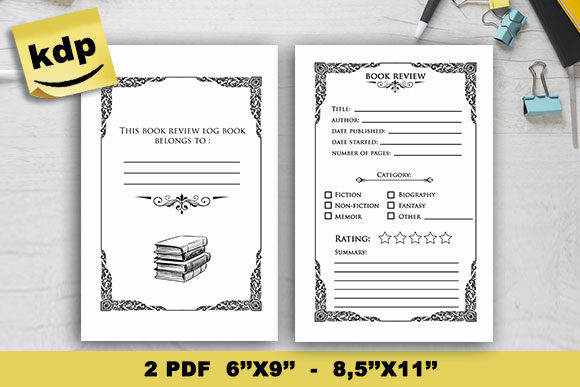
This instant download digital product includes two high-quality PDF files at 300dpi, ensuring crisp printing results that meet Amazon’s strict production standards. Available in both 6×9 inch and 8.5×11 inch versions, each file contains 100 pages with proper bleed settings already configured. Understanding how to leverage these specific dimensions and technical specifications can significantly impact the perceived value of your published book and reduce the likelihood of rejection during the KDP upload process.
Technical Precision and Print Quality Standards
The most common point of failure for new KDP publishers is incorrect file formatting. Blurry text, cut-off content, or white borders appearing where full-page graphics should be are frequent issues caused by low resolution or improper bleed management. This KDP Book Review Interior mitigates those risks through its 300dpi resolution. In print publishing, 300 dots per inch is the industry standard for sharp, professional output. Files created at lower resolutions, such as 72dpi or 150dpi, may appear acceptable on a screen but often result in pixelated or muddy prints when physically manufactured.
Furthermore, the inclusion of bleed in these 100-page templates is a critical technical advantage. Bleed refers to the area of artwork that extends beyond the trim edge of the page. When a book reviewer writes notes near the edge of a page or uses decorative elements that touch the border, the printer must trim the paper precisely. Without adequate bleed, even a millimeter of misalignment can result in an unprofessional white strip along the edge. By utilizing a pre-bled template, publishers ensure that their design intent survives the manufacturing process intact. However, users must verify that their uploading software and machine accept these specific PDF formats before purchase, as compatibility is essential for a seamless workflow.
Selecting the Right Trim Size for Your Audience
Choosing between the 6×9 inch and 8.5×11 inch options requires understanding the end-user's behavior. These two sizes serve distinct purposes within the book review community, and selecting the appropriate one influences the book's marketability.
The 6×9 inch version is the industry standard for trade paperbacks. It offers a portable, tactile experience similar to a novel. This size is ideal for reviewers who want to carry their journal to libraries, bookstores, or coffee shops. The compact form factor encourages consistent use because it fits easily into bags and feels less intimidating to fill out. For publishers targeting fiction readers, students, or commuters, the 6×9 KDP Book Review Interior aligns with user expectations for a personal, handheld companion.
Conversely, the 8.5×11 inch version caters to users who require extensive space for detailed analysis, mind mapping, or scrapbooking elements alongside their reviews. This larger format is particularly valuable for academic reviewers, educators, or non-fiction readers who need room to paste excerpts, draw diagrams, or write lengthy annotations. The additional surface area allows for more complex layout structures within the review prompts. Publishers targeting serious critics, researchers, or bullet journalists will likely find higher conversion rates with the larger format, as it supports a more rigorous review methodology.
Strategic Benefits of Pre-Formatted Interiors
Time efficiency is a tangible asset for self-publishers managing multiple titles. Designing a 100-page interior from scratch involves setting up master pages, defining paragraph styles, checking margins against KDP’s dynamic calculator, and exporting test files. Even for experienced designers, this process consumes hours that could be spent on keyword research, cover design, or advertising. The KDP Book Review Interior functions as a production accelerator. By removing the layout phase, creators can move from concept to live listing in a fraction of the time.
Beyond speed, consistency builds brand recognition. Readers who enjoy one title in a series expect subsequent books to maintain similar quality and usability. Using standardized, high-quality templates ensures that every book in a publisher's catalog meets a baseline of professional presentation. This reliability fosters trust; customers know that purchasing from this creator guarantees a functional, well-designed product rather than a hastily assembled document. In a marketplace saturated with low-effort uploads, superior interior formatting serves as a differentiator that can justify premium pricing and generate positive reviews.
Practical Applications Across User Segments
The versatility of this digital package extends across various professional and hobbyist demographics. Understanding these use cases helps publishers tailor their metadata and marketing copy effectively.
- Book Bloggers and Influencers: Content creators often need physical props for social media photography. A clean, professionally formatted review journal enhances visual branding and provides authentic content for "studygram" or "bookstagram" posts.
- Educators and Librarians: Professionals tracking reading lists for curriculum development or collection management benefit from structured data entry fields. The organized layout supports systematic record-keeping better than blank notebooks.
- Aspiring Authors: Writers analyzing craft techniques use review journals to deconstruct successful books. The structured prompts in a dedicated interior guide analytical thinking, turning passive reading into active learning.
- Gift Shoppers: During holiday seasons, functional yet beautiful stationery items perform well. A ready-to-upload interior allows publishers to quickly capitalize on seasonal trends without delaying production.
For freelancers and small business owners offering book-related services, such as beta reading or editorial consulting, these interiors can also serve as client deliverables or organizational tools. The professional appearance reinforces the service provider's expertise and attention to detail.
Navigating Limitations and Compatibility Checks
While the KDP Book Review Interior offers significant advantages, prospective users must approach this digital product with informed expectations. As an instant download, there is no physical item shipped; the value lies entirely in the digital utility of the files. Buyers should immediately download and inspect the PDFs to confirm they meet their project requirements.
Compatibility is a crucial consideration. Although PDF is a universal standard, specific KDP upload tools or third-party formatting software may handle bleed zones differently. Users should always order a proof copy or use KDP’s online previewer extensively before approving a book for sale. This step verifies that the 300dpi resolution renders correctly and that the bleed areas trim as intended. Additionally, because these are pre-made templates, customization is limited to what can be overlaid or modified within standard PDF editors. Publishers seeking highly unique, proprietary layouts may need to use these as a foundation rather than a final solution.
Finally, market saturation in the low-content category demands strategic positioning. Simply uploading the template without thoughtful cover design, keyword optimization, or niche targeting is unlikely to yield results. The interior provides the structural integrity necessary for a quality product, but commercial success depends on how well the publisher integrates this asset into a broader publishing strategy. By treating the KDP Book Review Interior as a professional tool rather than a shortcut, creators can build sustainable catalogs that genuinely serve the reading community.